Blogs
The Technology Freedom Cooperative Offers Civil Society New Independence from Big Tech
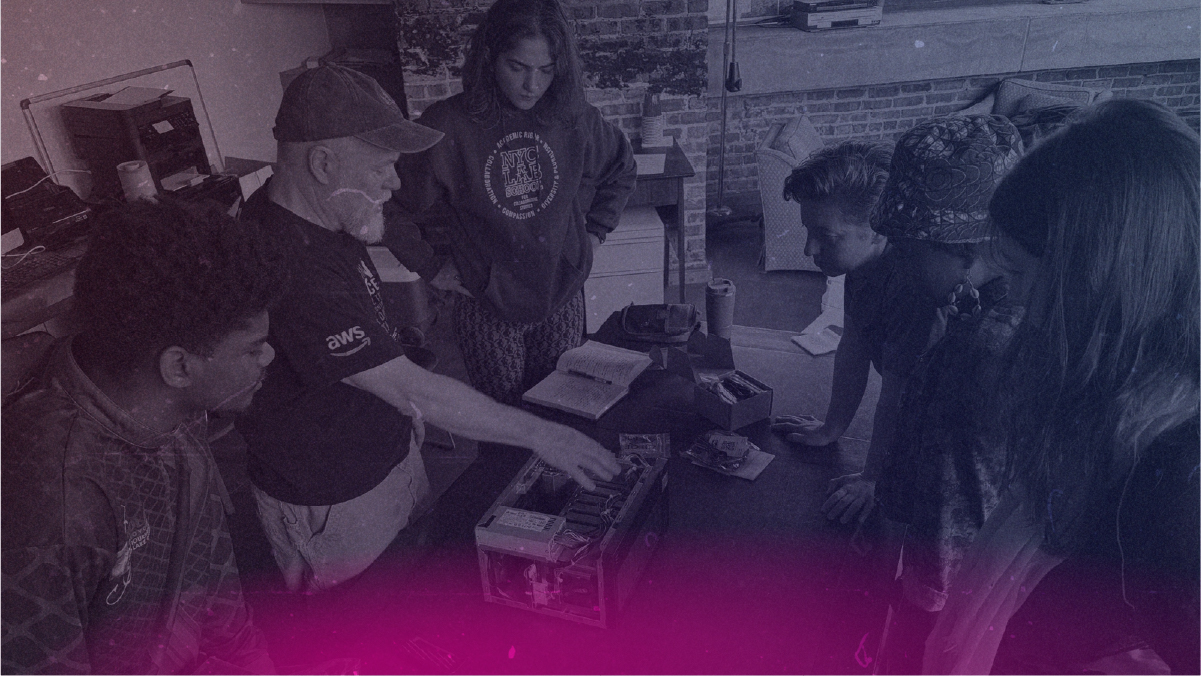
We are building shared technology infrastructure: distributed storage and computing capacity to preserve, process, and analyze critical human rights files.

Human Rights Organizations Launch Technology Freedom Cooperative to Protect Critical Data and Build Independent AI Infrastructure
The TFC will help non-profit organizations protect critical evidence, reduce dependence on big tech platforms, and build independent capacity.
Naming Police Officers Who Kill in California
One of the big questions: were the officers who killed Erik Salgado involved with other police-involved shootings previously?

HRDAG’s Year in Review: 2025
Our 2025 Year in Review explains what it means to us to stand up to tyranny, why we do it, and the risks we assume by doing so.
All of the ways we remember: How data scientists hold memory with and for survivors
Those most vulnerable to state violence are already marginalized and undercounted, their experiences ignored or minimized in official sources. To avoid perpetuating these harms in our analyses, we have to find ways to incorporate unofficial data sources and all of the ways we remember.
The Data are Clear: Public Engagement Improves AI Science
A lot of scientists and AI developers think that involving affected communities in AI research is probably the right thing to do, ethically. But they hesitate because they fear the messy unpredictability of human participation. They worry that even if human participation is the moral choice, it could degrade the science.

New Research Shows Community Engagement Improves the Validity and Reliability of Artificial Intelligence
AI is transforming the way scientists analyze complex data.

Watch now: “In the Face of Tyranny,” a Webinar with HRDAG
The Human Rights Data Analysis Group recently hosted a conversation about the significant threats facing human rights researchers and scientific NGOs in the United States. We are posting the first part of this conversation on YouTube so that others may watch:
In addition to this community conversation, HRDAG put out a statement outlining our specific concerns about the targeting of the human rights and research community. Read the statement and our blog post.
As HRDAG Executive Director Dr. Megan Price explained, this is not a departure for HRDAG. As a scientific ...
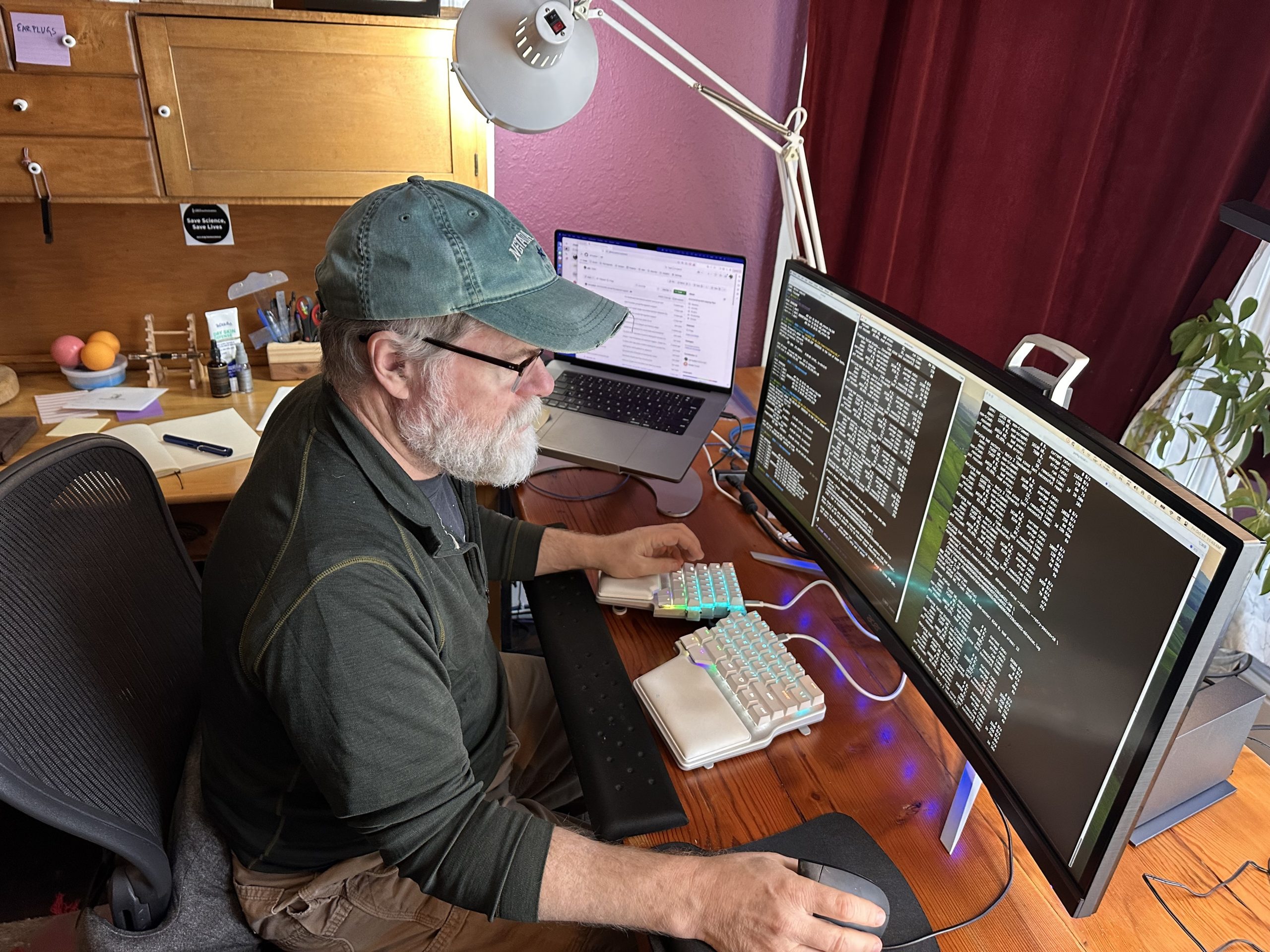
Millions of Pages of Police Use-of-Force Files Available through New Searchable Database
A new, public database will bring more oversight to police abuses in California—and may serve as a model for police accountability for other states across the country.
HRDAG was part of a coalition behind the recently-launched Police Records Access Project. The new searchable database includes ...
Podcast: Dr. Patrick Ball on Using Statistics to Uncover Truth
Dr. Patrick Ball recently visited the Plutopia News Network podcast for a wide-ranging, inspiring conversation about his work for the Human Rights Data Analysis Group.
Patrick spoke about how he first discovered human rights work during his time in El Salvador with the Peace Brigades International. That led to his ongoing work as a statistician and computer programmer working to assess and analyze human rights violations. He also unpacked some common statistical techniques used by researchers at Human Rights Data Analysis Group, such as multiple systems estimation, ...

HRDAG Welcomes New Data Science Fellow
Our newest Data Science Fellow, Will Taylor, is currently a doctoral student in political science and public policy at the University of Michigan.
Announcing New HRDAG Advisory Board Member
Cynthia Conti-Cook came on board in March, 2025.
Trove to IPFS
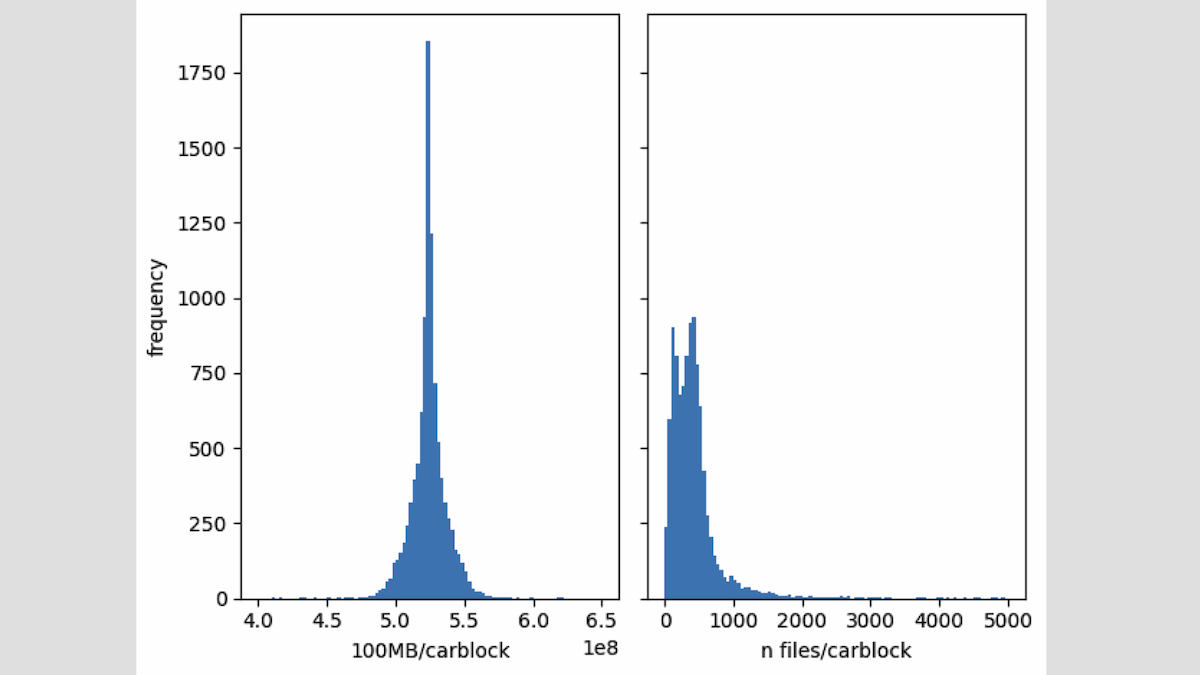
IPFS is a peer-to-peer storage network that promotes the resiliency, immutability, and auditability of data. This README explains code written to shepherd the files from janky external USB drives to IPFS.
Lies, Damned Lies and Official Statistics
This essay in the Health and Human Rights Journal addresses attempts to undermine Covid-19 data collection.

HRDAG’s Year in Review: 2020
In 2020, HRDAG provided clarity on issues related to the pandemic, police misconduct, and more.

Violence in Blue: The 2020 Update
HRDAG has refreshed a 2016 Granta article about homicides committed by police in the United States.

In Solidarity
We stand with our partners and every organizer fighting for justice.
Learning to Learn: Reflections on My Time at HRDAG
So much of what I learned at HRDAG was intangible, and I'm grateful to have been able to go deep.

HRDAG’s Year End Review: 2019
In 2019, HRDAG aimed to count those who haven't been counted.

Welcoming Our 2019-2020 Visiting Data Science Student
Bing Wang has joined HRDAG as a Visiting Data Science Student until the summer of 2020.