USA
Teach In on Data for Police Accountability | January 22, 2026 in Oakland, CA
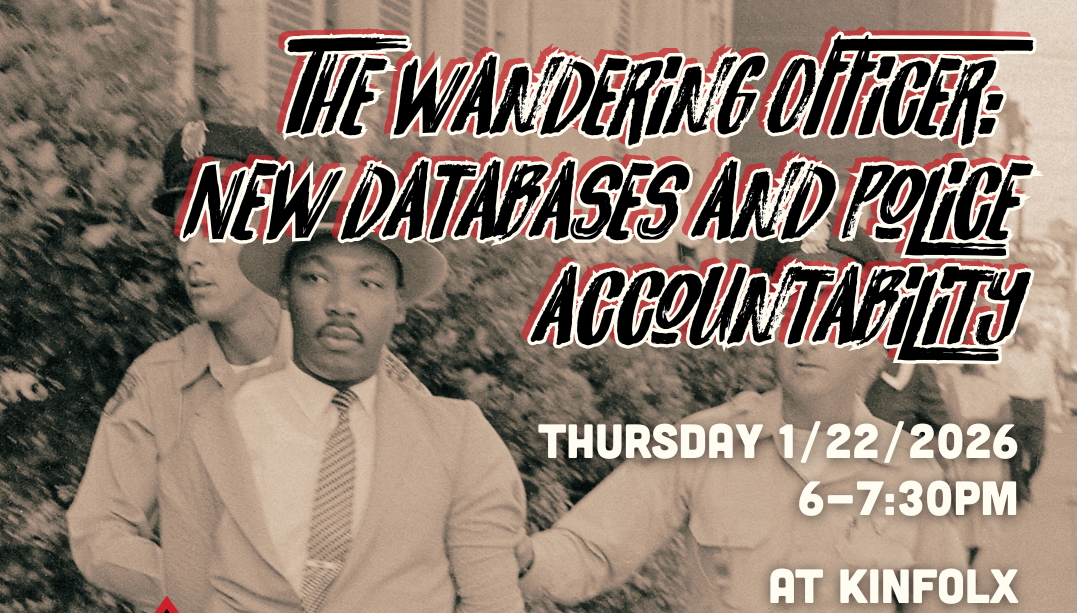
For decades, law enforcement agencies across the United States have operated behind walls of secrecy—particularly when officers abuse their power or use lethal force. That opacity has real consequences for communities seeking truth, justice, and accountability.
On Thursday, January 22, 2026, HRDAG is proud to co-sponsor The Wandering Officer: New Databases for Police Accountability, a public event in Oakland exploring how data, journalism, and community organizing are reshaping what’s possible for police accountability in California and beyond.
Register here. ...
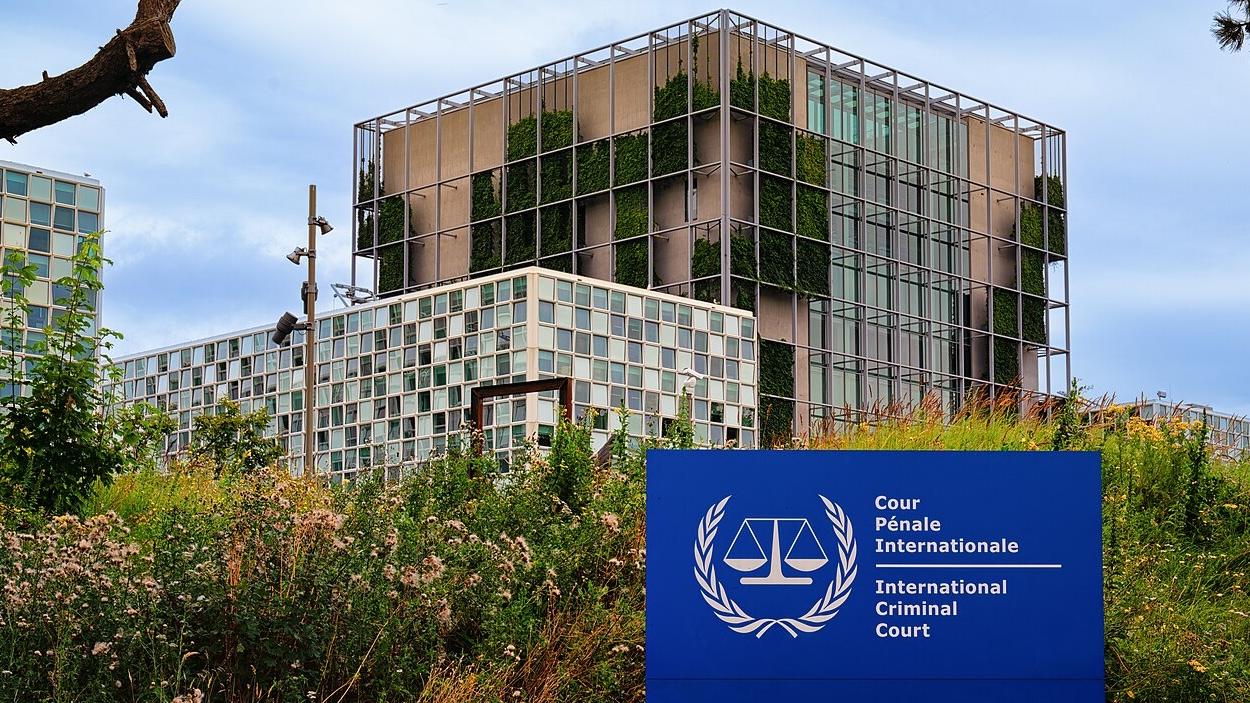
Trump Administration’s Sanctions on the ICC are an Attack on the Rule of Law
The Trump Administration has issued additional sanctions against judges of the International Criminal Court (ICC), further endangering accountability and justice worldwide. Attacks on the ICC were a key factor in HRDAG’s decision to speak out against tyranny in the U.S. late last year, and this ongoing pressure threatens the Court’s ability to do its vital work.
HRDAG condemns these sanctions against the International Criminal Court and calls on the Trump Administration to respect and uphold the independence of the Court.
The ICC investigates and ...
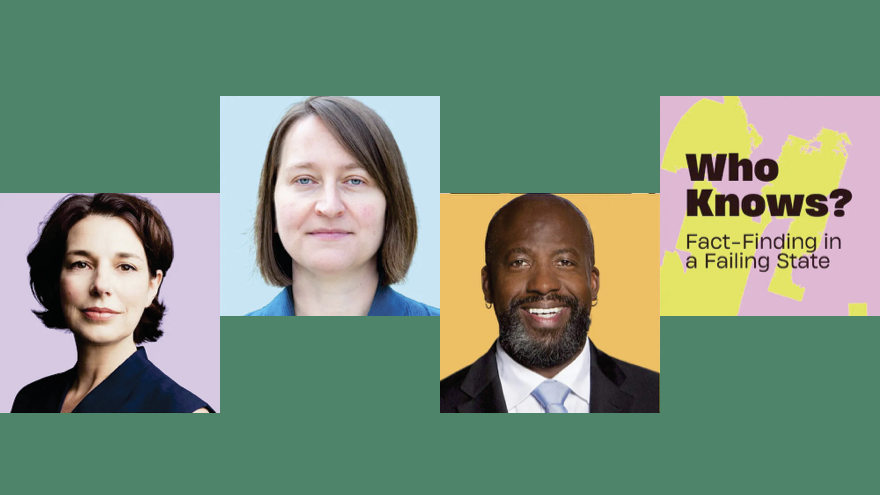
Podcast: Dr. Megan Price Explores Fact Finding in a Failed State
How do scientists and statisticians stand up to authoritarianism, especially when it happens in their home countries?
All of the ways we remember: How data scientists hold memory with and for survivors
Those most vulnerable to state violence are already marginalized and undercounted, their experiences ignored or minimized in official sources. To avoid perpetuating these harms in our analyses, we have to find ways to incorporate unofficial data sources and all of the ways we remember.
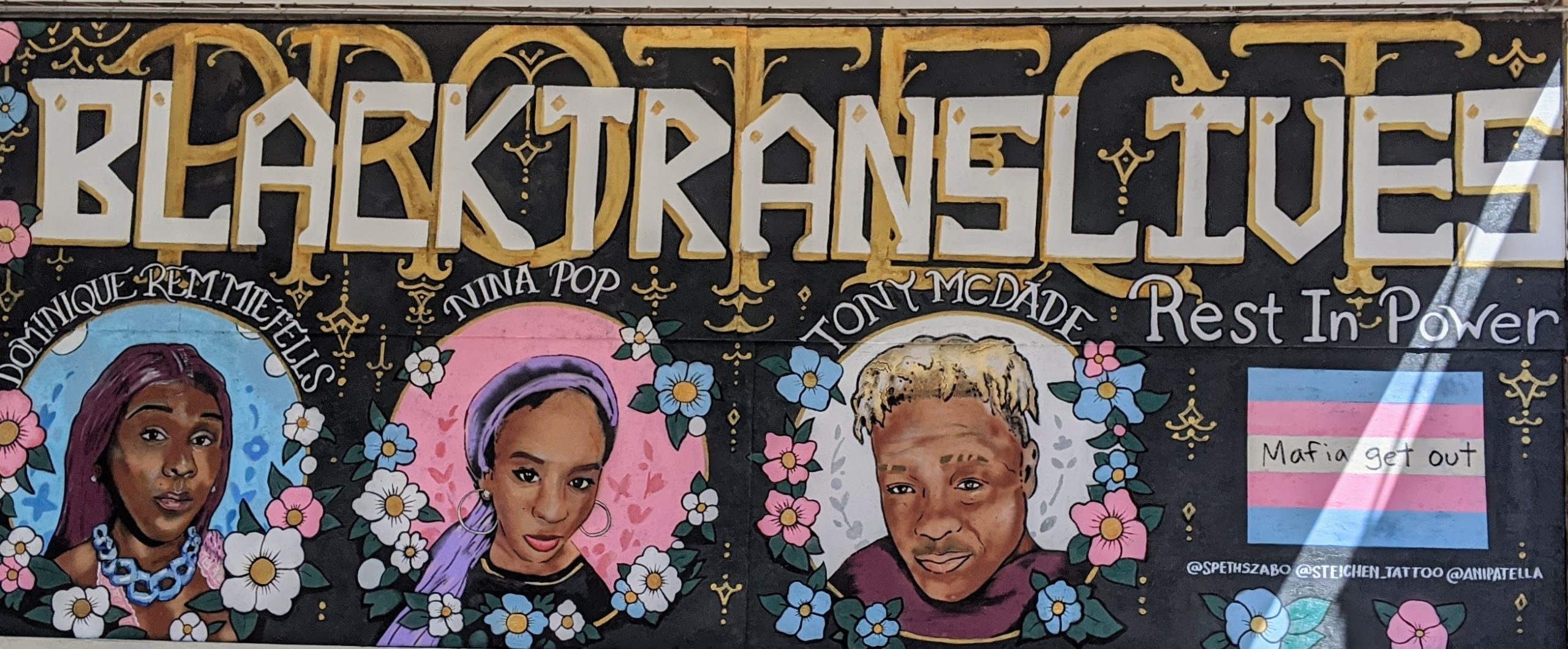
Watch now: “In the Face of Tyranny,” a Webinar with HRDAG
The Human Rights Data Analysis Group recently hosted a conversation about the significant threats facing human rights researchers and scientific NGOs in the United States. We are posting the first part of this conversation on YouTube so that others may watch:
In addition to this community conversation, HRDAG put out a statement outlining our specific concerns about the targeting of the human rights and research community. Read the statement and our blog post.
As HRDAG Executive Director Dr. Megan Price explained, this is not a departure for HRDAG. As a scientific ...
Quantifying Police Misconduct in Louisiana
HRDAG contributes to the project by helping to classify, filter, extract, and standardize the records so that they can be useful in the database.
Scraping for Pattern: Protecting Immigrant Rights in Washington State
With HRDAG's help, the University of Washington Center for Human Rights team has been able to analyze the scraped text and search for key words such as “jail” in order to gain insight into where immigration arrests are being made.
Police Violence in Puerto Rico: Flooded with Data
Kilómetro Cero is making a comparison of police killings in Puerto Rico and police killings in the non-territorial United States, and HRDAG is helping to organize the data.