We provide the best scientific analysis of human rights data for our partners seeking justice and accountability in the United States and around the world.
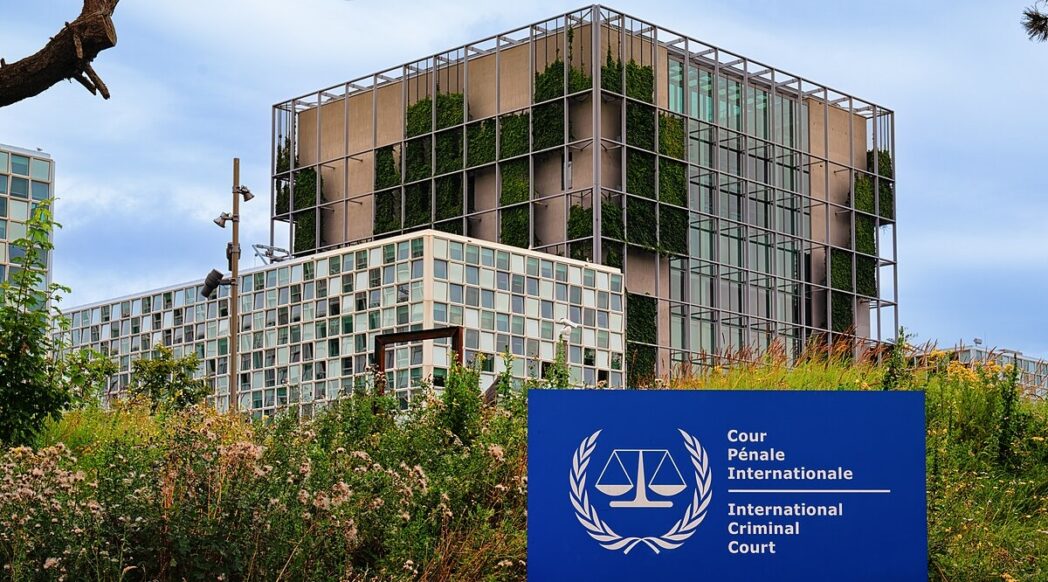
Big Tech companies quickly comply with any government request – legal or not – to exclude people from the world’s tech infrastructure. The ICC could be paralyzed if it relies on American companies.
The Police Records Access Project has been recognized by the SPJ as an innovative and replicable resource making over a million pages of records accessible to journalists and the public alike.
How can human rights and social justice advocates protect their data and technology infrastructure in an age of rising authoritarianism in the United States and abroad?
When we partner with human rights defenders, from truth commissions to UN missions to local activists, we help them understand how data science can be used to answer questions about human rights violations.
Three directives guide our work:
Apply science to create new knowledge
Through our publications, statistical analyses, and expert testimony in war crimes trials, we help to establish a rigorously researched and accurate historical record of human rights abuses.
Conduct basic research and development
We invent and extend scientific methods so that we can better understand patterns of mass violence, relying on our core concepts to guide us.
Educate and train the next generation
We help those working in the human rights community to better understand the role and power of statistical data and reasoning. We do this by: training HRDAG interns and fellows in our methods; working closely with partners to teach them data science principles and methods; and through speaking engagements and training sessions for potential partners.
HRDAG team members present talks around the world to communities who want to better understand the power of data analysis to defend human rights.
When we partner with an organization, we commit ourselves to providing radical service—that is, we spend countless hours with our partners so we can gain a deep understanding of how we can help them answer their human rights questions. Here are some of our past and current partners:
Inaccurate statistics can damage the credibility of human rights claims—that’s why statistics about human rights violations must be as scientifically accurate as possible.
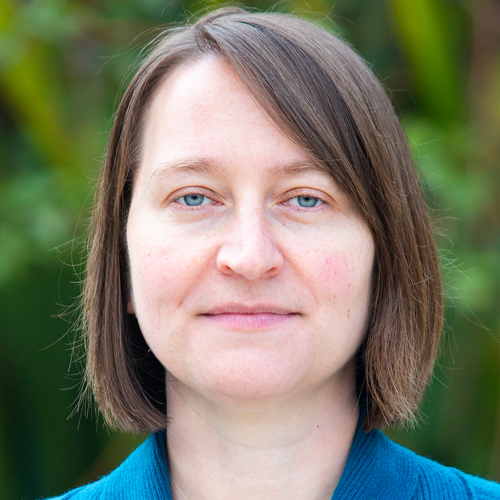
Designs strategies and methods for statistical analysis of human rights data for projects in a variety of locations including Guatemala, Colombia, and Syria.
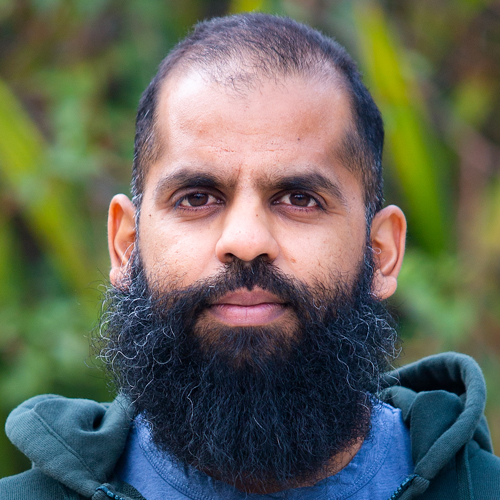
More than thirty years of quantitative analysis for truth commissions, non-governmental organizations, international criminal tribunals, and United Nations missions.
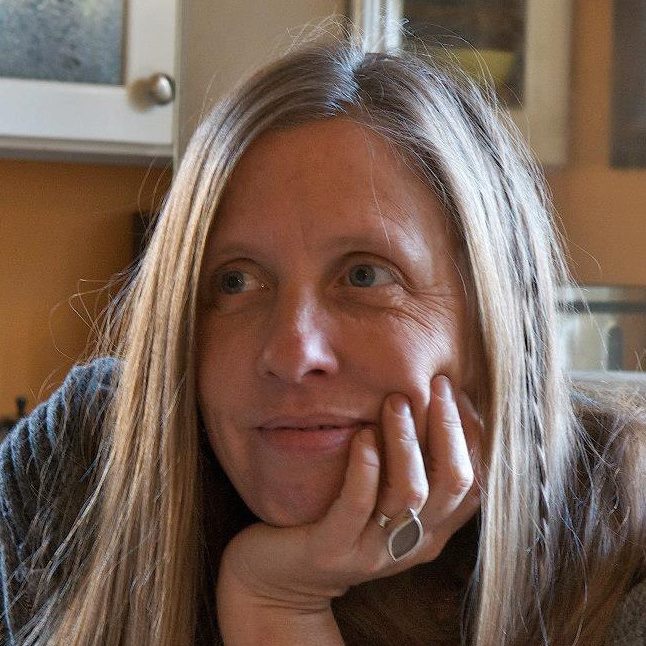
More than 25 years of experience in non-profit administration. The operations hub for HRDAG, supporting Megan and the rest of the team from the San Francisco office.
Our work has been used by truth commissions, international criminal tribunals, and non-governmental human rights organizations. We have worked with partners on projects on five continents.