Columbia New Home Page
All is Not Lost with Incomplete Datasets
Structural Zero 10: What is a "structural zero"
I’m Maria Gargiulo. I started with HRDAG as an intern in 2018 and I’ve worked with the team as a statistician since 2020. I’m currently earning my doctoral degree from the London School of Hygiene and Tropical Medicine where my thesis explores the very statistical methods HRDAG uses to study and understand complex human rights violations around the world.
Recently, we wrote about the challenge of statistical bias: the data that is collected is seldom complete and may not be representative of the population we are ...
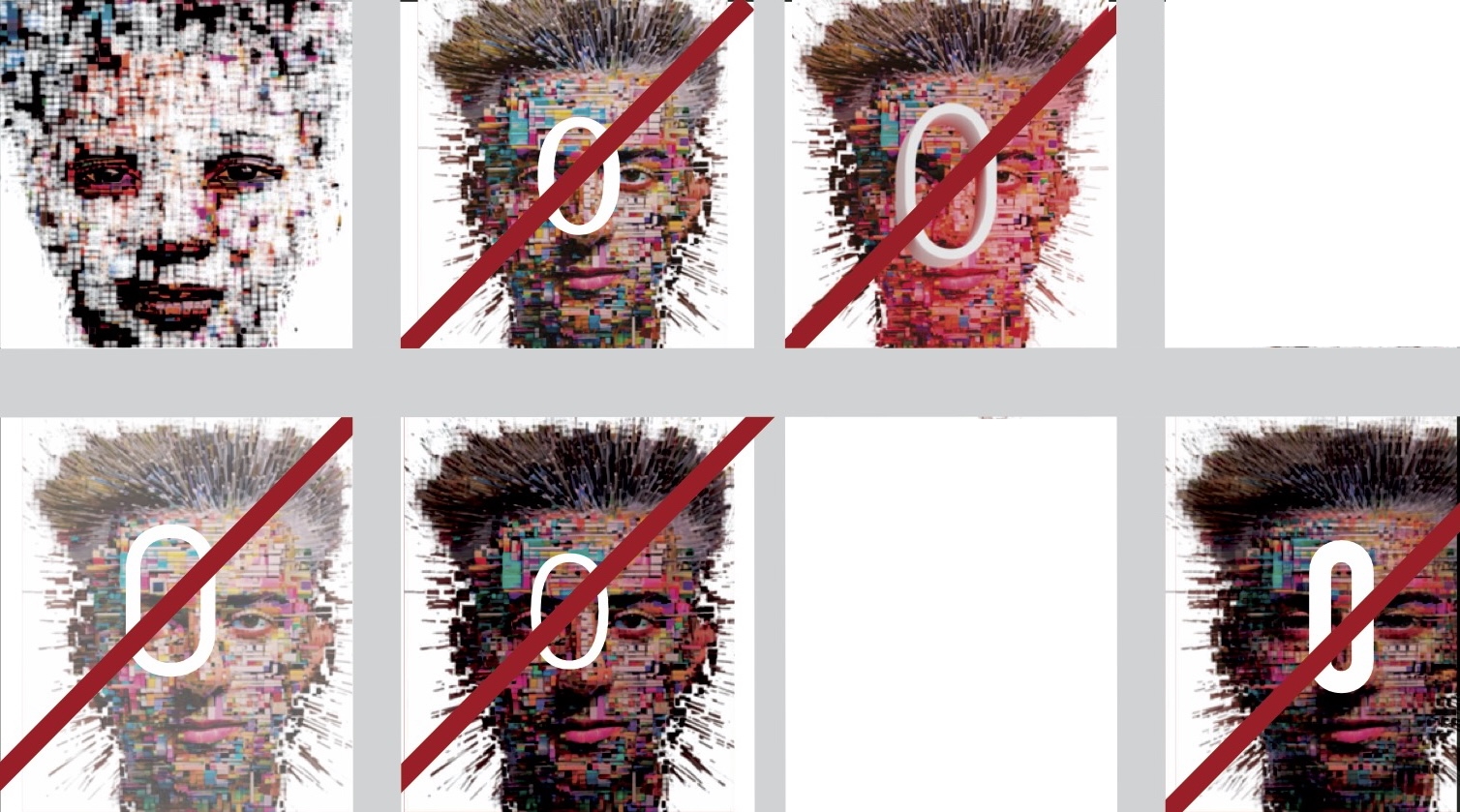
Making Missing Data Visible in Colombia
Valentina Rozo Ángel has worked with HRDAG and the Colombian Truth Commission to acknowledge victims of the 50-year conflict who are not visible or easily counted.
Can the Armed Conflict Become Part of Colombia’s History?
Paula Amado and María Juliana Durán Fedullo reflect on how the Truth Commission may change Colombia’s history, finally officially acknowledging the 50-year conflict and its casualties, and reckoning with who did what to whom.
In Colombia: HRDAG and Dejusticia on the Importance of Missing Data
It’s inevitable that databases will have information gaps, and special care must be taken to account for these gaps.

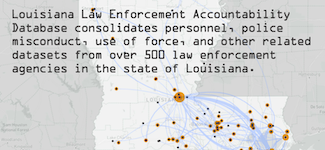
Quantifying Police Misconduct in Louisiana
HRDAG contributes to the project by helping to classify, filter, extract, and standardize the records so that they can be useful in the database.
HRDAG’s Year in Review: 2022
This past year at HRDAG has been about continuing efforts to uncover the truth.